Begin with the cloth and how it is made.
Yaeyama minsa is a cotton textile made on Ishigaki and Taketomi. Its alternating five-and-four-square pattern is a useful detail to recognise, but the weaving process gives the object more meaning than the motif alone. The same pattern can feel different according to colour, scale and use.
The official Okinawa introduction explains the textile's history and points to Minsah Kogei Kan. If a weaving visit or workshop interests you, check the maker's current information before arranging the day. A small piece of cloth can hold a great deal of work, and seeing part of the process helps you appreciate it.
Notice the variety in clay.
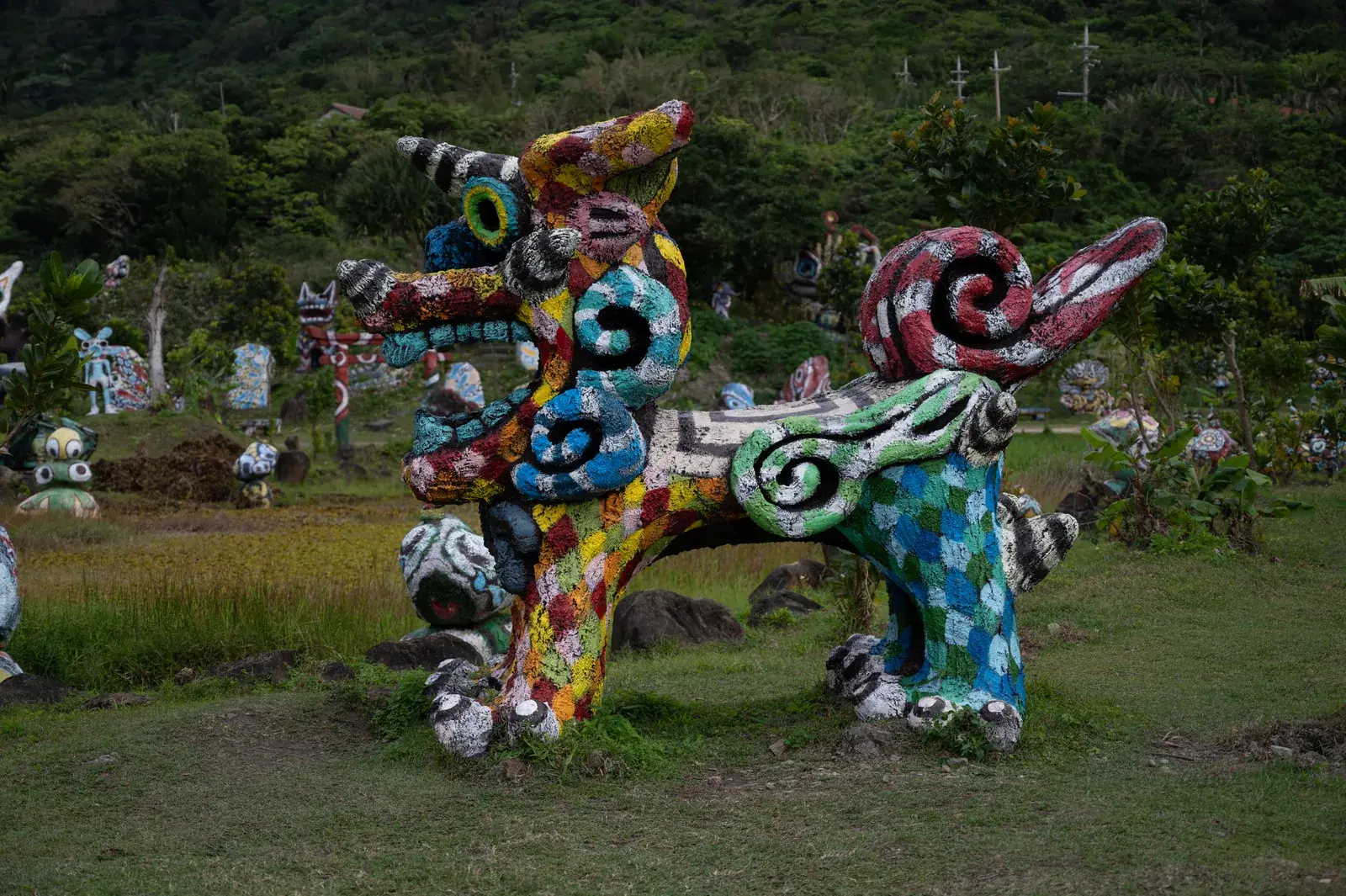
Pottery is another way to explore Ishigaki's creative life. Useful bowls and cups sit within a wider range of work, including shisa figures with very individual forms and expressions. Looking closely at a maker's choices is more revealing than expecting one style to represent the whole island.
If you visit a studio, find out whether it welcomes visitors, operates a shop or offers a workshop. These are different arrangements. For something you make yourself, ask about finishing, collection and shipping before booking, so the process fits the time you will be on the island.
Make room for contemporary work.
Photography, illustration, textile design and other contemporary work are part of Yaeyama too. Artists may respond to the sea, plants, daily routines or local traditions, but their individual viewpoints matter. Traditional techniques and contemporary work exist side by side.
DiscoverYaima's account of textile designer Akiko Ishigaki from Iriomote offers one route into an individual practice. It is an editorial story about the designer and her work; it does not promise a studio visit. Stories like this can change what you notice in the objects and images around you.
Let a purchase begin with curiosity.
Ask where a piece was made, which materials were used and who designed it. The answer may help you distinguish a locally made object from one inspired by an island motif. Both can be presented honestly; knowing the difference lets you choose according to what matters to you.
Consider how the object will be used once you are home and ask about care or transport if needed. A cup, a textile or a photograph can become a lasting connection to a place through ordinary use.
See making as part of everyday island life.
Creative work takes place alongside family routines, other jobs and the practical realities of being far from the mainland. Our experience of island life includes both the pleasure of that distance and the patience required when goods or journeys take longer than expected.
This broader view helped shape ISL&: nature, food, making and the people who live here belong together. A craft story can be one thread in your visit, connected with a meal, a village or a landscape you have spent time in. Give it room without expecting a maker to turn every working day into a visitor experience.