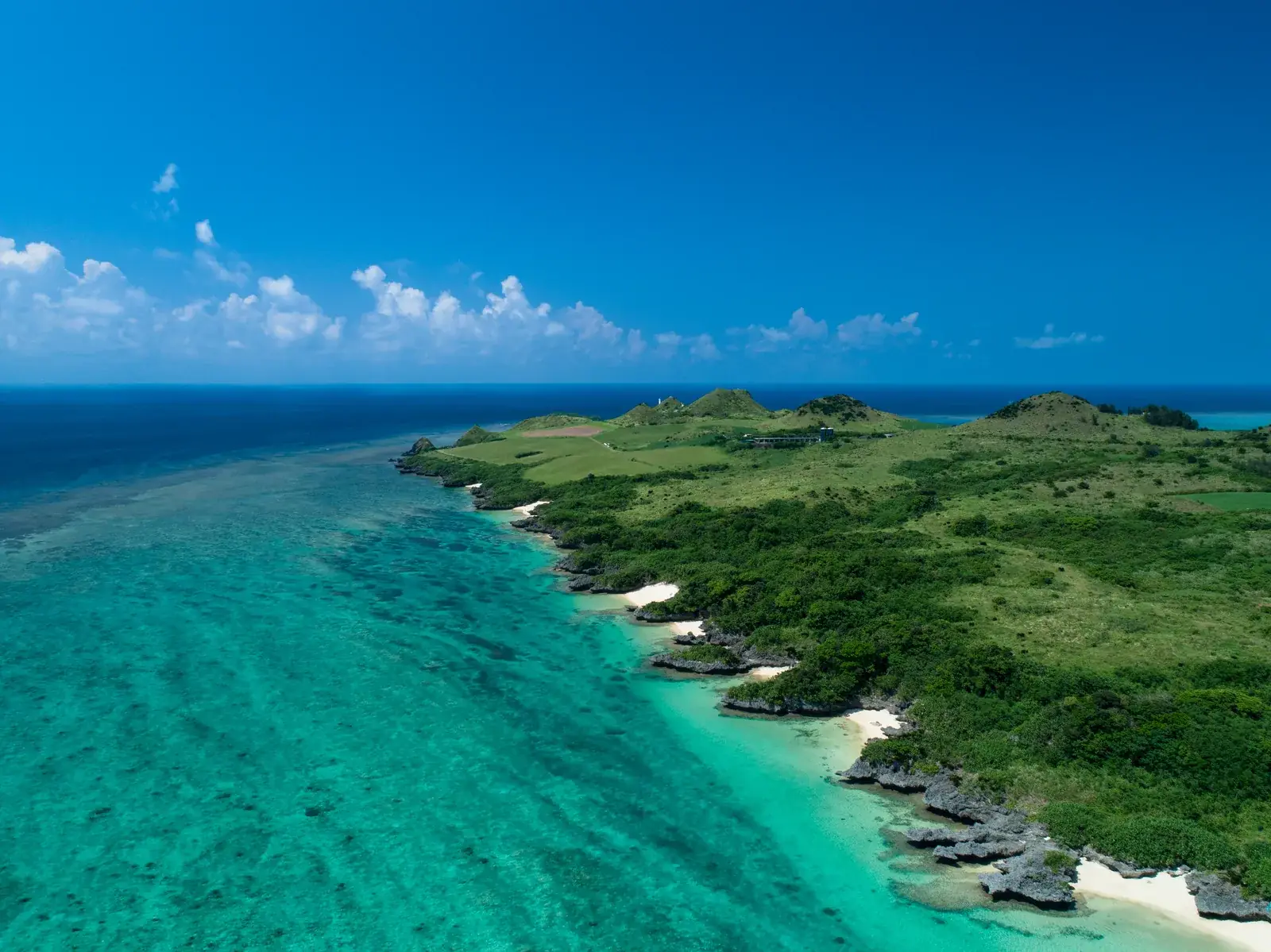
Begin with at least three full days on Ishigaki.
For a first visit, our minimum is three full days. Spend one getting to know the city, another exploring the wider island and use the third for more of Ishigaki or a nearby island. Arrival and departure can use part of a day, so count the time you will actually have.
A longer stay gives you more choices: a drive into the north, an organised activity, time with children or simply a day without much planned. Ishigaki has food, culture, everyday facilities, beaches and mountains. You do not have to visit another island to make the trip worthwhile.
Choose places for what you want to do there.
Taketomi offers a small-island day of cycling and village life. Iriomote calls for a different plan: we recommend organising an activity if you want to experience its jungle and rivers beyond the main road. Hateruma may appeal for a quieter stay centred on its sea and shore.
Use these differences to narrow the choice. Adding an island also adds a crossing, arrangements on arrival and a journey back. If you would rather settle in and explore gradually, keeping the whole stay on Ishigaki is a sound option.
Choose accommodation and transport together.
A city base can make meals, shops and evenings on foot straightforward. Staying in the countryside places you closer to a different part of Ishigaki, but calls for thought about transport and food. We strongly recommend a car for exploring beyond the centre, especially with children.
There is room for different kinds of stay here, from a simple guesthouse to a resort. Choose according to how you want to spend your days. Check the actual facilities and arrival arrangements before committing.
Leave room for the weather and the journey.
Spring and autumn are our personal favourites, particularly for a trip that combines Ishigaki with mainland Japan. The best season for you also depends on what you hope to do. Use the season guide to think about that choice, and the relevant operators for current travel conditions.
The distance from the mainland can feel relaxing, but living here also involves waiting when the weather interrupts sea and air connections. Keep that in mind when connecting ferries, flights and accommodation; flexibility can matter as much as the number of places on the itinerary.
Make time for the island between the outings.
A market visit, a local meal or time spent looking at a maker's work can give a place more meaning. Food, music, language and craft make culture visible throughout the year. DiscoverYaima's food, craft and personal stories are ways into the everyday life that first inspired ISL&.
Sort out useful basics such as payment methods and important reservations, then leave some space. We have learned that cooperation matters in island life; as a visitor, recognising other people's routines, work and privacy is a good place to begin.