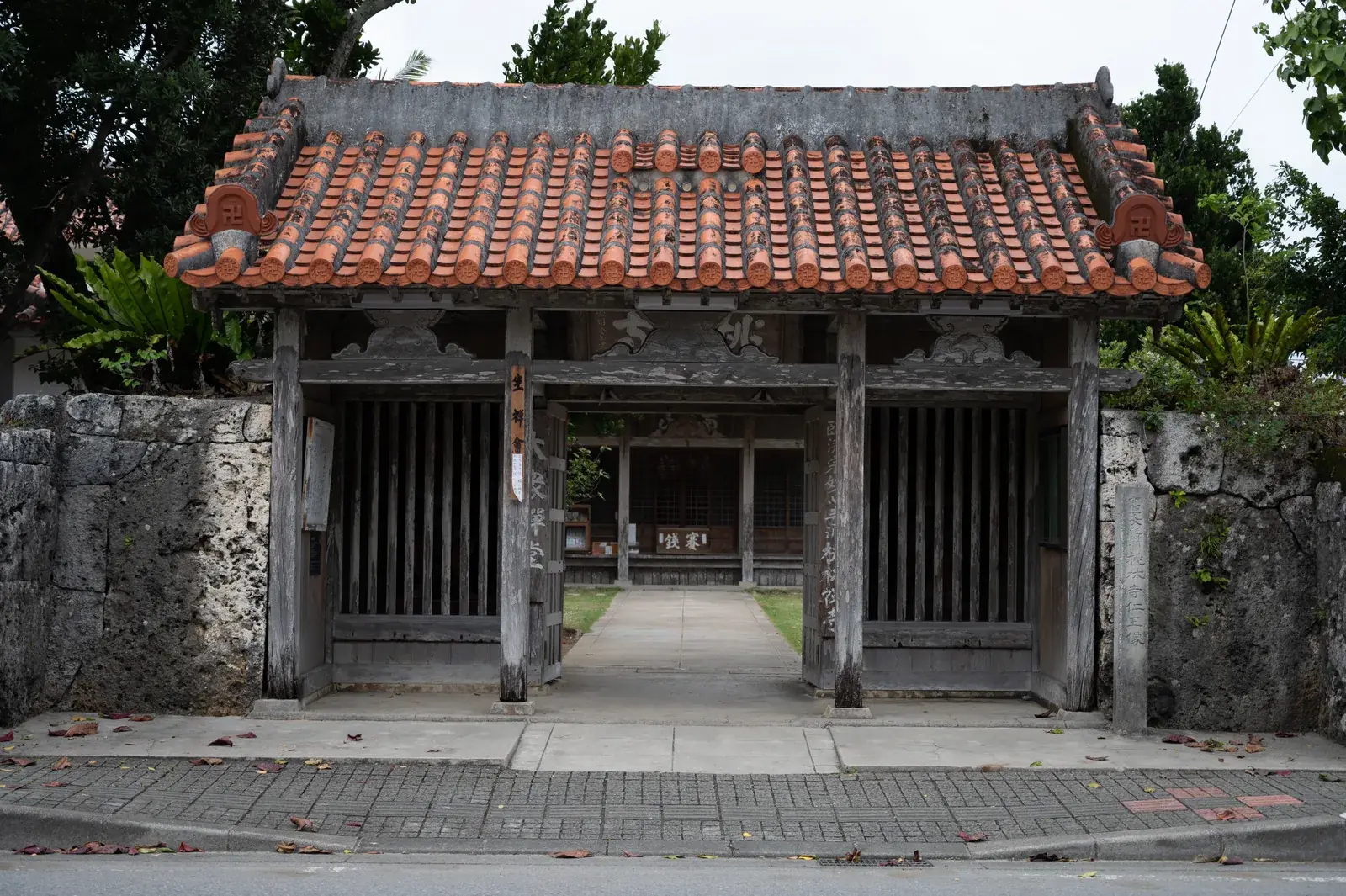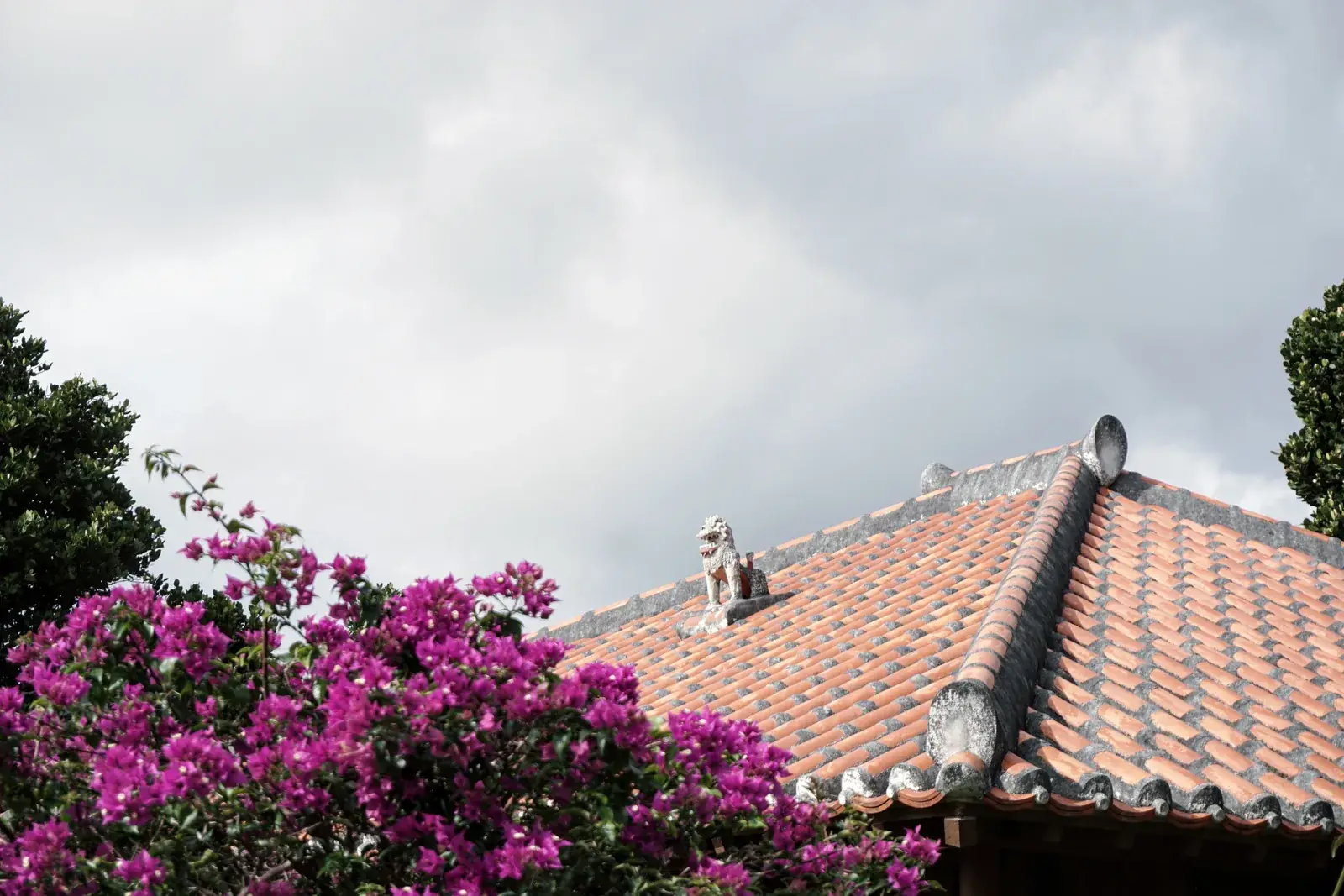
These islands grew through the sea.
For centuries, the Ryukyu Kingdom occupied a maritime world between Japan, China and Southeast Asia. Yaeyama became part of that kingdom, but its distance from the royal centre on Okinawa Island and its position close to Taiwan gave the southern islands their own experiences and connections.
Trade, migration, political rule and travel between islands left traces in music, belief, language, textiles and food. Later Japanese rule and modern life added further layers. Yaeyama culture is therefore neither isolated nor simply imported: it developed locally from many influences, and it continues to change.
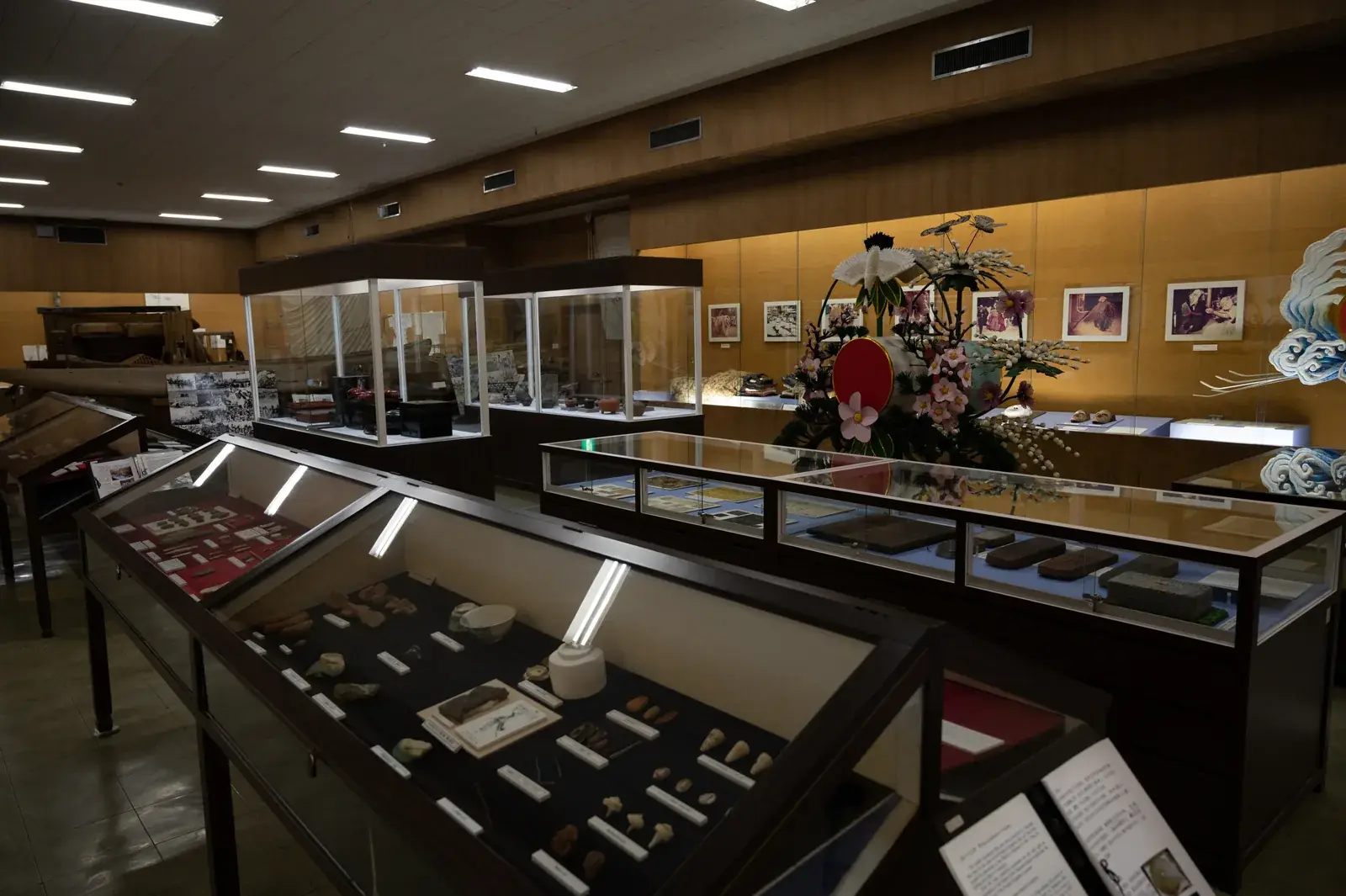
Nature and culture are difficult to separate.
The natural world shapes when people plant, fish, travel and gather, and it appears in prayers, festivals, food and the materials used for making things. Harvests, safe journeys and protection from storms have long been matters of both daily work and spiritual importance.
This is one reason Yaeyama can feel so different from the Japanese mainland. A reef, a field, a sacred grove or a particular tree may carry practical, historical and cultural meaning at the same time. Nature and culture are not separate chapters here; they continually meet.
A festival begins long before visitors arrive.
Festivals remain deeply important across Yaeyama. Hounensai gives thanks for the harvest and asks for abundance and protection in the season ahead. Obon and Angama centre on ancestors and family, while other celebrations belong to fishing, seeding or the rhythm of a particular island and village.
On a small island such as Kohama, people look forward to these days for a long time. Older residents as well as younger participants share in the anticipation, practice and preparation. The shared preparation is part of the tradition itself.
Dates and customs often follow the lunar calendar and differ between communities. Some parts are public, while others belong to a village, sacred place or family. Learn what the occasion means first, then check locally whether visitors and photography are welcome.

Listen to where you are.
The three-stringed sanshin belongs unmistakably to the sound of the islands. Its ancestor came from China, and the instrument later helped shape the Japanese shamisen. In Yaeyama, songs carry memories of work, love, landscape, celebration and individual communities. Hearing sanshin in a small venue or during an evening in Ishigaki City can be a genuine introduction to local culture.
Language changes across surprisingly short distances. The traditional languages of Yaeyama vary between islands, villages and even different parts of Ishigaki. Japanese is now the shared everyday language, while fewer people speak the older local languages fluently.
We call them languages rather than reducing them to dialects. Yaeyama is recognised internationally as a seriously endangered language group, and local varieties hold knowledge, humour and ways of seeing that cannot be translated perfectly into standard Japanese. Mifaiyu means thank you; oritoori is a Yaeyama welcome.

Tradition and contemporary making live together.
Yaeyama has a rich textile history. Minsa was traditionally woven as a narrow cotton belt, often using plant dyes such as Ryukyu indigo. The familiar groups of five and four squares are read as itsu no yo mademo: a wish for love to continue forever. Yaeyama jofu, bashofu and natural dyeing reveal other relationships between climate, plants, labour and cloth.
Pottery is equally alive, but not every potter on Ishigaki works in an old Yaeyama or Okinawan style. Some deliberately continue or reinterpret traditional firing, clay and forms; many others work as contemporary makers with their own materials and ideas. Both can tell you something about creative life on the islands today.

Taste the climate and history of the islands.
What grows here is visibly different from much of mainland Japan. Pineapple, papaya, shima banana, mango, dragon fruit, bitter melon, island peppers and local herbs thrive in a subtropical climate. Sea vegetables, fish, island tofu and the way ingredients are cooked add another layer of local character.
The cuisine carries both the landscape and the history of movement through the Ryukyu world. Markets, small restaurants and unfamiliar ingredients offer everyday ways to encounter that history. Ask what something is when you are curious.
Be interested, but do not assume access.
Look at how other visitors behave, especially Japanese visitors who may already understand the setting. When there is no clear example, begin quietly and a little reserved. Read signs, stay outside roped or marked areas, and ask before photographing a person, ceremony or private home.
A sacred site can be a grove, a rock or another place that does not look like a formal attraction. Do not enter simply because you can see a path. Festivals can also contain public celebrations alongside rituals that are not for visitors.
People are often friendly and willing to help. Attention, patience and a willingness to follow local guidance usually communicate respect better than trying to know every rule in advance.