Start with what you want to do.
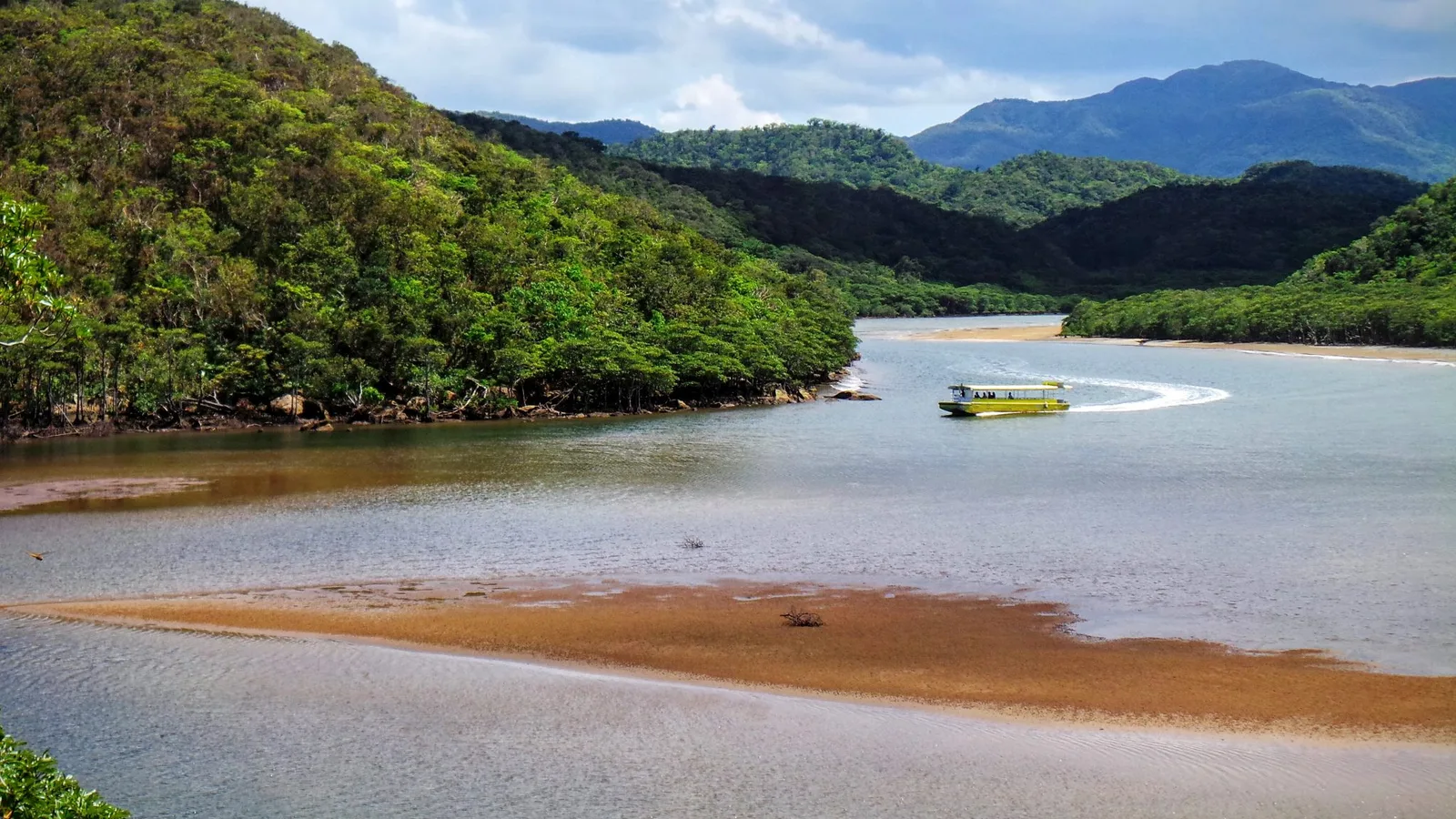
A kayak journey through mangroves, a river trip or a guided walk towards a waterfall each shows a different part of Iriomote. Pinaisara, the Urauchi River and the Nakama River are possible starting points. Choose one experience and give it the time it deserves.
We recommend organising an activity if you want to know Iriomote beyond the road. Choose a guide according to the experience, the conditions and the people travelling with you. Discuss walking distance, swimming confidence and children's needs before booking.
Choose your port before your ferry.
Iriomote has two main arrival ports from Ishigaki: Ohara and Uehara. They serve different sides of the island. Check which port your accommodation or activity needs, and how you will get from the boat to the meeting point.
One main road connects the coastal settlements. The main road connects villages and viewpoints along the coast; the forest interior requires a separate, properly planned experience. Distances between places matter. If you are using a bus or a transfer, let its current arrangements shape the day.
Home to the Iriomote wildcat.
The Iriomote wildcat lives only on this island. It is rarely seen, so a visit should not depend on spotting one. The Wildlife Conservation Center in Komi introduces the animal and the wider ecosystem, and explains the work of protecting them.
Wildlife also uses the land close to villages and roads. The conservation centre's driving information helps explain the warning signs and the measures designed to prevent collisions. Give animals space and use the centre's current guidance if you encounter or need to report a wildcat.
The forest has a coast too.
The island's rivers are only one part of its relationship with water. Hoshizuna Beach, the coral-fragment islet of Barasu and the shores around Iriomote give other reasons to come. Diving or a guided marine activity can be the focus of a stay in its own right.
For a boat or water activity, choose an operator who can match the route to the day's conditions and your experience. A photograph of transparent water cannot tell you whether entry is appropriate. Follow the guide's access advice and leave coral, wildlife and beach materials where they belong.
A guided day, or a longer stay?
A day tour from Ishigaki can work well for one organised experience. Stay longer if you want several activities or more time to understand the island without returning to the ferry each afternoon. Book the activity and your base together so they make sense geographically.
Village shops, places to eat and transport are less concentrated than in Ishigaki City. Confirm meals and transfers with your host, and bring the essentials your stay depends on. When weather changes a crossing, ask your operator about the whole arrangement before assuming you can simply arrive at the other port.